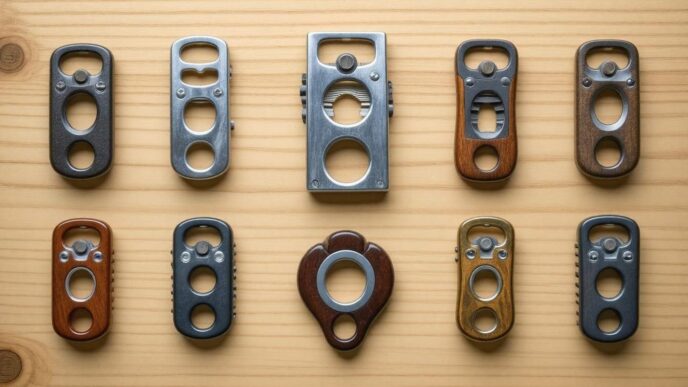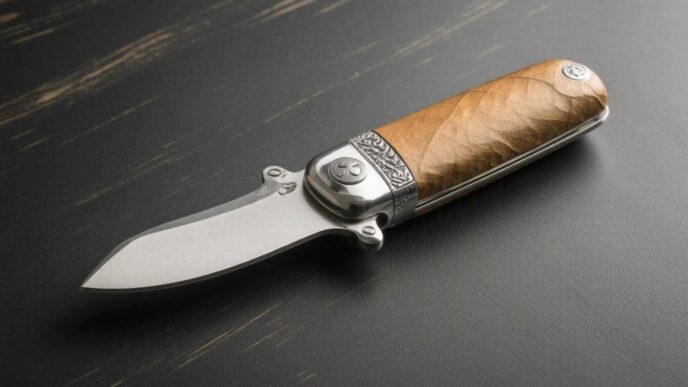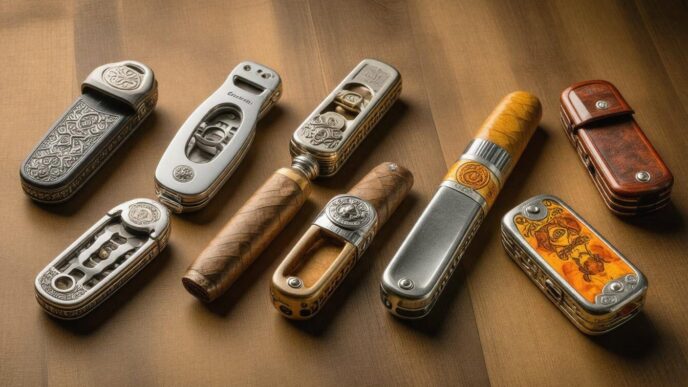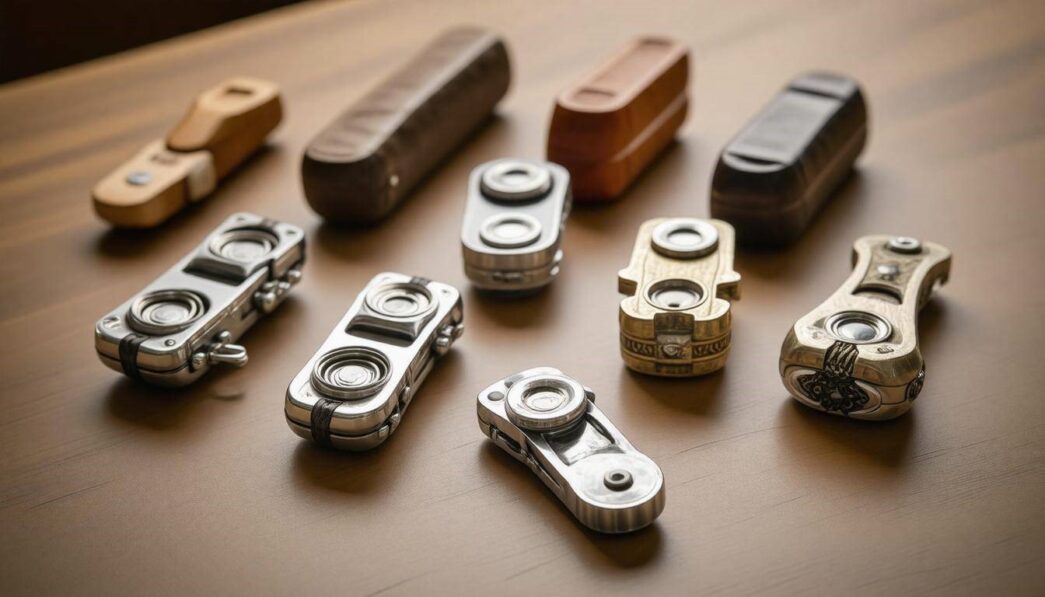
When it comes to enjoying a good cigar, the right cutter can make all the difference. It’s not just about having a sharp tool; it’s about enhancing your smoking experience from the very first cut. Choosing the right cigar cutter involves understanding how different types and materials affect both performance and pleasure. Whether you’re a newbie trying to find your way into the cigar world or a seasoned enthusiast looking for that perfect accessory, knowing what to look for in a cutter is key. This guide will help you navigate the various options available, so you can find the cutter that fits your style and elevates each moment spent savoring a fine cigar.
When selecting a cigar cutter, it is essential to consider materials such as stainless steel, aluminum, titanium, and plastic (ABS). Stainless steel is sturdy and corrosion-resistant, while aluminum is lightweight; titanium offers superior durability, and plastic cutters are more affordable but may lack sharpness compared to metal options. Choosing the right material can significantly impact the cutter’s performance and longevity.
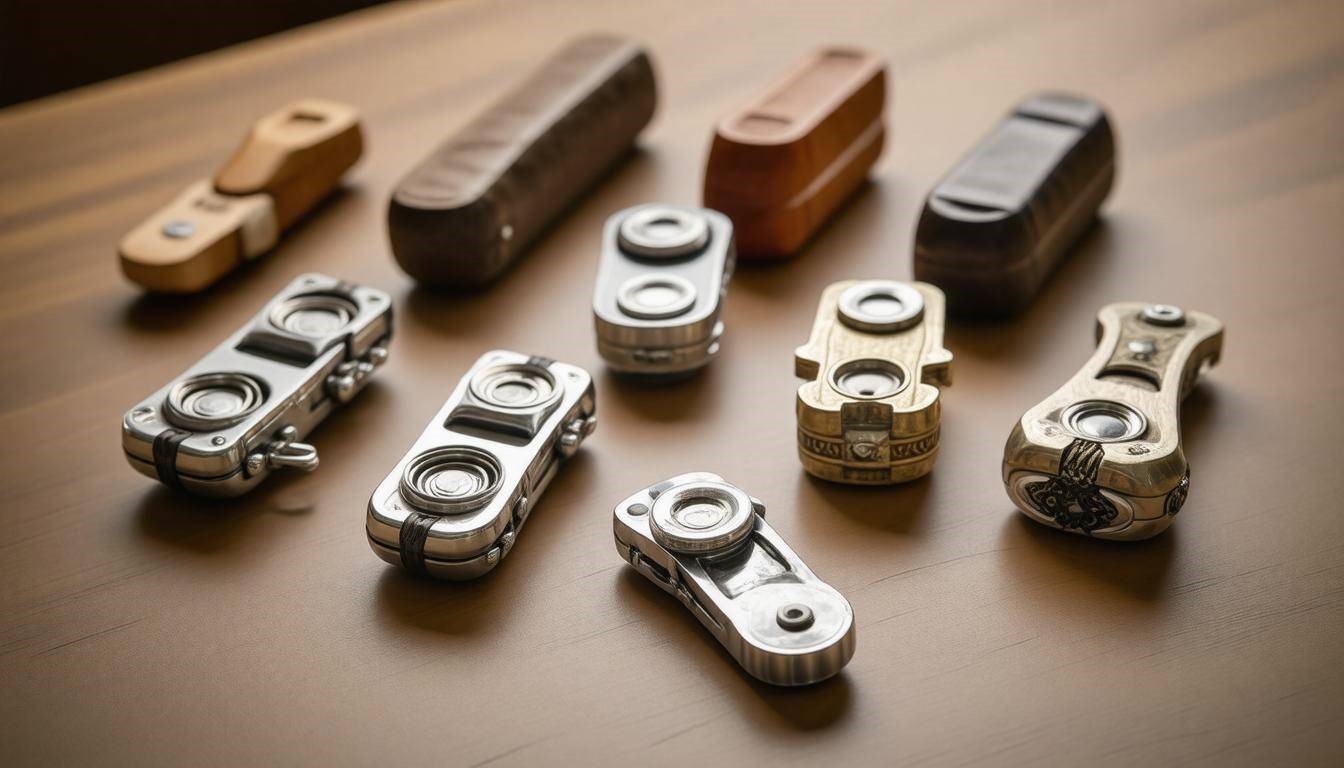
Different Types of Cigar Cutters
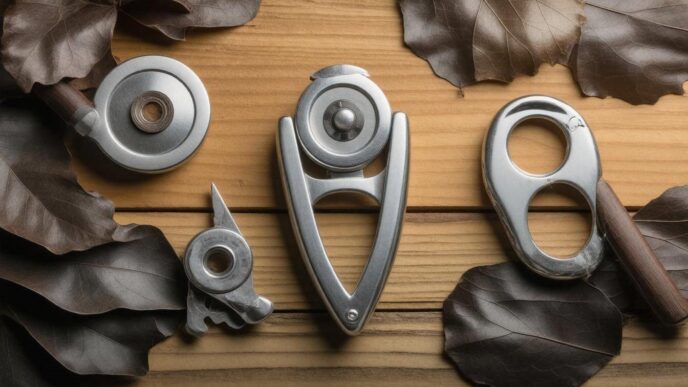
The variety of cigar cutters available can seem overwhelming, but recognizing their unique functions simplifies the selection process. Each type serves a specific purpose and contributes to how the cigar smokes and tastes, making it crucial to know what fits your style best.
Guillotine Cutters
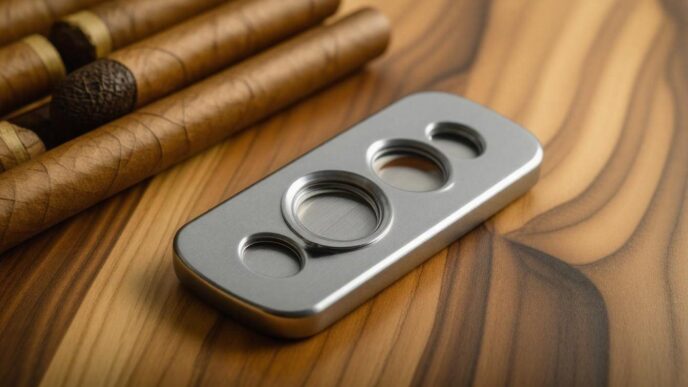
Starting with guillotine cutters, they are undoubtedly the most popular in the cigar community. Their design allows for a swift, straight cut, slicing off the cap of the cigar with precision. Typically featuring double blades made from high-quality stainless steel, guillotine cutters deliver an even cut without tearing or leaving behind jagged edges.
A standout example is the Xikar Xi3, revered by cigar enthusiasts for its impeccable sharpness and smooth operation. This cutter exemplifies reliability and speed, making it a favorite tool for many.
If you’re looking for a different kind of cut that offers a unique experience, let’s dive into V-cut cutters next.
V-Cut Cutters
With V-cut cutters, you’ll find yourself enjoying more than just aesthetics; these tools create a distinct V-shaped notch in the end of your cigar. This cut effectively prevents unraveling while providing smoother airflow as you smoke. Although they may be slightly pricier than other options, many users appreciate their craftsmanship and performance.
Take the Colibri V-Cut, for instance; it has garnered a loyal following due to its robust construction and reliable performance. Users often rave about how this type of cut enhances their enjoyment of the cigar’s flavors.
Are you seeking even more precision?
If so, cigar scissors might be your answer.
Cigar Scissors
While cigar scissors are less common, they play an important role for those who value precision in their cuts. These scissors give you full control over every detail of your cut, allowing for customized sizes and shapes depending on your preferences. Brands like Wolf produce scissors that stand out due to their quality and design.
It’s worth noting that using scissors requires a bit more skill; however, once mastered, they can enhance your smoking experience by ensuring that every cigar is tailored to fit your unique taste.
Now let’s talk about something simpler yet effective.
Punch Cutters
For those who prefer convenience without sacrificing functionality, punch cutters are an excellent choice. These devices create a small round hole at the end of the cigar, which concentrates the flavor and draw. A great example here is the Xikar 9mm Punch; loved for its portability and simplicity, making it a staple in many enthusiasts’ collections.
Understanding each type of cutter enhances not just how you prepare your cigar but also your overall enjoyment during smoking sessions. Next, we will explore the materials that contribute to the cutting performance of these essential accessories.
Popular Materials for Cutters
One of the standout materials you’ll encounter when shopping for a cigar cutter is stainless steel. Renowned for its sturdiness and low maintenance, stainless steel is an excellent choice for the dedicated aficionado. Its ability to resist corrosion is critical in maintaining sharp edges over time, making it suited for those who enjoy cigars regularly. Imagine slicing through a thick ring gauge with ease, feeling the solid heft of a well-built cutter in your hand. The precision of a stainless steel blade transforms what could be a mundane task into an art form, allowing for clean cuts that preserve both the flavor and draw of your cigar.
However, while stainless steel offers durability and performance, other materials also cater to various preferences and lifestyles.
Next up is aluminum, a favorite among smokers who are on-the-go. Lightweight yet resilient against rust, aluminum cutters are favored for their portability and functional design. Picture yourself at a beach gathering or a backyard barbecue; an aluminum cutter fits comfortably in your pocket without weighing you down. That said, keep in mind that while aluminum provides convenience, it may not hold its edge as long as stainless steel. For casual cigar enthusiasts who appreciate a quick clip while enjoying a smoke outdoors, aluminum represents an efficient solution.
But if you’re someone who believes in investing in quality tools that stand the test of time, consider exploring titanium options.
Titanium cutters come with superior durability and often carry a higher price point. While they may seem like an extravagant choice at first glance, their longevity makes them appealing to serious smokers looking to build a stable of high-quality paraphernalia. Take, for instance, the Benchmade 62—its fine craftsmanship showcases how titanium can yield exceptionally sharp edges that endure over time. This option transforms cutting into an experience of sheer elegance and reliability, ensuring that your cigar always receives the attention it deserves.
Of course, if you’re new to cigar smoking or simply wish to explore lighter options without hefty investments, you might come across plastic, specifically ABS plastic.
Affordable and moisture-proof, ABS plastic is practical for beginners venturing into the world of cigars. Its design often prioritizes functionality over finesse, providing an adequate cutting experience without demanding much commitment financially. However, it’s crucial to understand that plastic cutters lack the sharpness that metal counterparts offer; this compromises precision in cuts which may lead to unraveling during smoke time. While an ABS plastic cutter provides a stepping stone into cigar culture, more experienced users might find themselves longing for the performance enhancements that metals provide.
Understanding these varied materials sets the stage for evaluating essential properties that impact cutting performance and durability.
Key Metal Properties
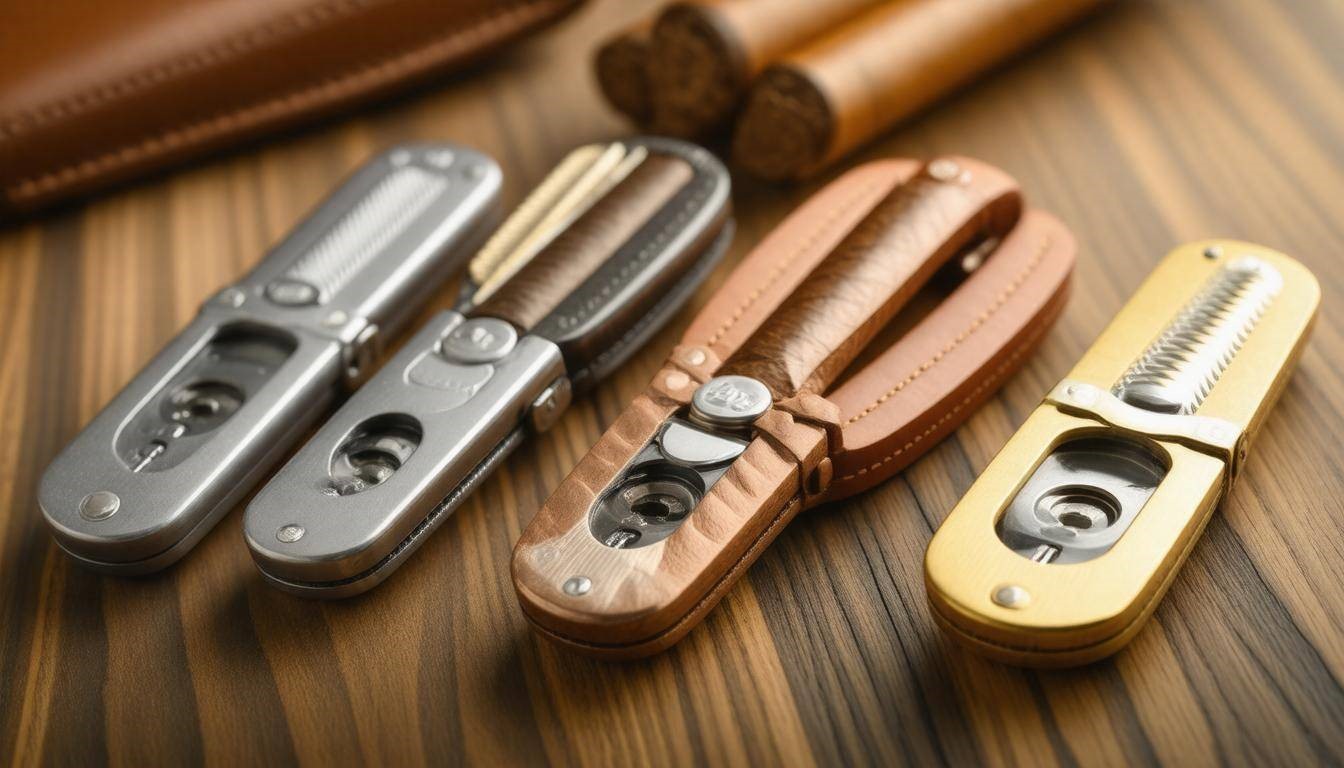
The hardness of a material is one of the most crucial qualities to consider when selecting a cigar cutter. In simple terms, hardness indicates how resistant the metal is to impacts, scratches, or deformations. A harder metal is more likely to maintain a sharp edge over extended use. For instance, stainless steel typically has a hardness rating between 55-60 HRC (Rockwell Hardness Scale), which signifies that it’s quite durable and capable of providing clean cuts without dulling quickly. This means you won’t have to replace your cutter as frequently, saving both time and money in the long run.
While hardness is important for performance, corrosion resistance plays an integral role in preserving the longevity of your cigar cutter, especially if you’re living in a humid climate.
Corrosion resistance refers to a metal’s ability to withstand degradation from moisture and other environmental factors. Certain materials will last longer when regularly exposed to varying humidity levels. For example, stainless steel boasts an impressive 80-90% corrosion resistance compared to carbon steel, which sits lower at around 30-40%. This property is particularly essential for cigar enthusiasts who might frequent lounges or enjoy cigars outdoors, where exposure to moisture is common. If you opt for a lesser quality metal, you may discover unsightly rust spots or diminished cutting performance over time.
Another factor worthy of consideration is the weight of the cutter itself, as it influences portability and ease of use.
When you pick up a cigar cutter, you’ll quickly notice that different materials lend themselves to different weights. A heavier cutter made from high-quality metals generally feels more substantial in the hand, which some smokers prefer because it conveys an aura of quality and durability. Alternatively, lighter cutters made from aluminum are easier to carry around but may sacrifice some perceived strength. For those who often travel, finding a balance between weight and functionality is key—if you enjoy cigars on-the-go, you’ll want something that fits comfortably in your pocket without weighing you down.
Lastly, consider how easy it is to maintain your chosen cutter; it can have a significant impact on its lifespan and your overall satisfaction with the product.
Ease of maintenance can greatly affect how often you feel inclined to take care of your cigars and your equipment. For instance, while plastic cutters may be affordable and lightweight, they often require more frequent replacements due to dullness. Conversely, well-crafted stainless steel cutters can be cleaned easily with just a soft cloth and light mineral oil for lubrication. Furthermore, ensuring that moving parts like hinges remain tightly secured requires minimal effort but goes a long way in prolonging your cutter’s life. Choosing materials that don’t require excessive upkeep translates into less hassle during those moments when you just want to enjoy your cigar without fussing over tools.
By taking into account these critical properties—hardness, corrosion resistance, weight, and ease of maintenance—you can make an informed decision when selecting the perfect cigar cutter tailored for your needs.
Understanding these aspects sets the stage for evaluating how both aesthetics and performance play a combined role in enhancing your experience with cigar cutters.
Aesthetic Versus Performance
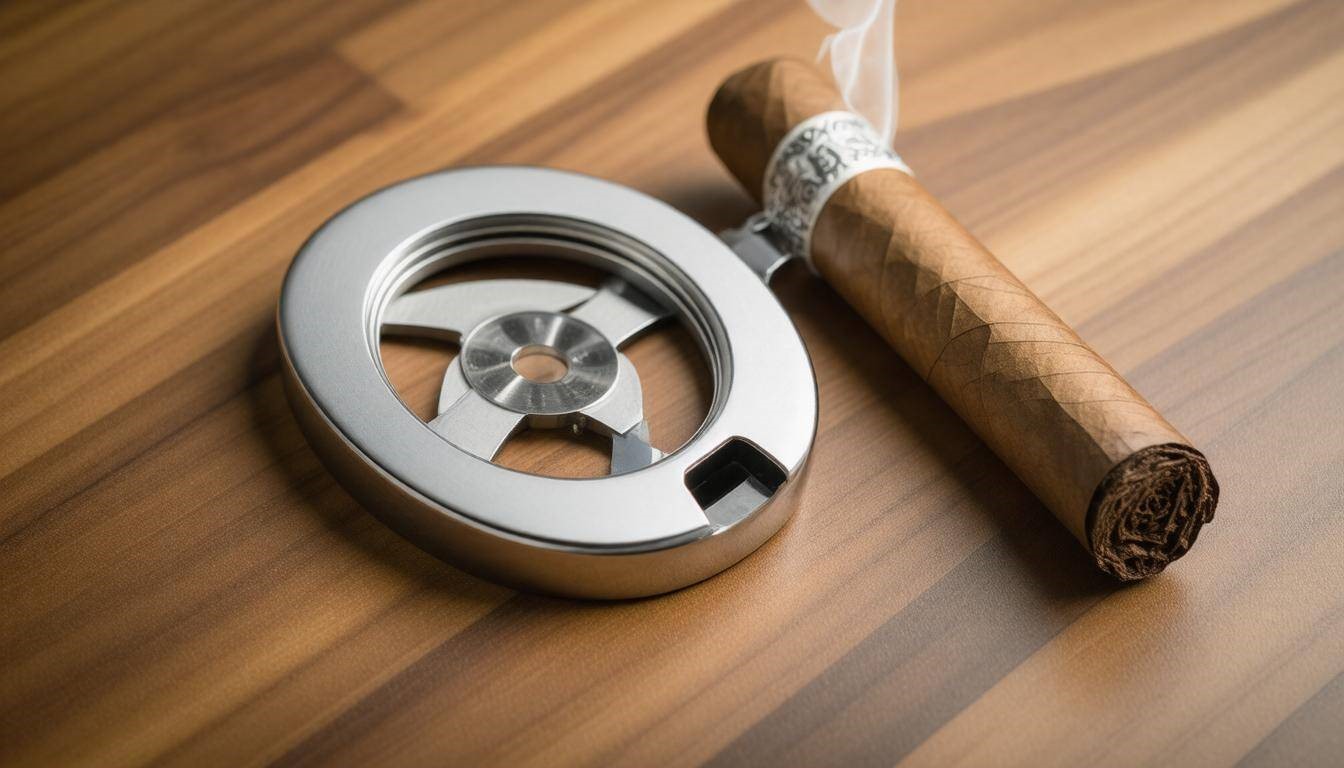
While the look of a cutter can certainly be attractive—gleaming stainless steel or finely crafted wood—it’s essential to remember that a cutter’s primary job is to provide an efficient cut. For instance, consider a beautiful stainless steel guillotine cutter with intricate designs. It might catch the eye and elevate your collection, but if its cutting edge isn’t sharp or precise, you will be left with an uneven cut, which can ruin an otherwise perfect cigar.
Take for example the comparison between a stunning titanium V-cutter and the more understated but functional Xikar Xi3. The titanium may boast a sleek, modern appeal, yet many seasoned cigar smokers would verify that the Xikar delivers superior performance due to its sharp, double blades designed specifically for a clean and consistent cut.
Moreover, when you’re balancing style with effectiveness, it’s vital to assess how often you’ll use each cutter. If you frequently enjoy cigars, prioritize functionality over visual flair to ensure each smoking experience is enjoyable.
Remember: The true beauty of any accessory lies in how well it serves its purpose.
That said, aesthetics should not be entirely disregarded. A cutter that resonates with your style can enhance the overall ritual of enjoying a cigar. Brands like Davidoff have built reputations not just on effectiveness but also on craftsmanship and elegance. Their cutters are known for their ornate details and luxurious finishes, appealing to those who appreciate the finer things in life while still expecting dependable performance.
As you weigh these considerations, think about how much value you place on quality versus appearance before diving into the next aspect of evaluating these essential tools.
Cost and Value Factors
The cost of a cigar cutter can vary significantly, reflecting its quality, materials, and craftsmanship. For someone new to cigar smoking or who smokes occasionally, entry-level cutters are often sufficient. These affordable options, typically made from plastic or basic metals, range from $5 to $20. While they may lack the durability and precision of higher-end models, they serve well for casual smokers looking to enjoy an occasional cigar without significant financial commitment.
As you explore your choices, budget considerations become paramount. The mid-range cutters, which usually utilize stainless steel or aluminum, fall within the $20 to $50 price point. Here’s where the balance of cost and performance really shines. Investing in a cutter like the Xikar Xi1 at this level ensures you receive sharp blades that create clean cuts without compromising the integrity of your cigars. Smokers appreciate their reliability and consistent performance, leading to an enhanced smoking experience.
Moving up the hierarchy are high-end cutters that often boast top-tier materials such as titanium or exquisite designs. Priced between $50 and $200, these tools appeal to enthusiasts who value both functionality and aesthetics. Notably, brands like Colibri and Benchmade offer premium options that balance beauty with superior performance. The investment reflects their sturdiness and capability to provide smooth, precise cuts—essential for optimal draw and flavor enrichment.
Evaluating Your Needs
Before diving into a purchase, consider your personal smoking habits and preferences. Are you a casual smoker who might be more comfortable with an entry-level unit? Or do you envision hosting gatherings where showcasing a beautiful high-end cutter would impress your friends? This consideration can greatly influence your decision-making process.
Additionally, take note of how pricing correlates with quality and user satisfaction. As you assess different options, remember that investing in a reliable cutter enhances not just your cigar experience but also preserves the longevity of your beloved cigars.
Making a judicious choice involves finding that sweet spot of quality within your budget while being mindful of features that mesh well with your lifestyle. Understanding these cost-value factors will help guide your journey toward selecting the right tool for enjoying cigars.
With these insights in mind, our next focus will shift towards selecting the ideal cutter tailored to your needs and preferences.
Choosing the Best Cutter
Selecting the ideal cigar cutter involves assessing several factors like usage frequency, the types of cigars you enjoy, and personal comfort. Each of these elements plays a crucial role in finding a cutter that enhances your overall enjoyment of cigars. For instance, if you regularly indulge in larger gauged cigars, then opting for a robust double-blade guillotine cutter is wise. This type will ensure a clean and efficient cut each time, preserving the integrity of your smoke.
Matching Cutter to Cigar
Understanding how different cutters work with varying sizes and shapes of cigars is key. For larger ring gauge cigars, a sturdy double-blade guillotine is recommended, as it delivers a straight cut while accommodating thicker cuts of tobacco. On the other hand, if you enjoy figurados—cigars with unique shapes—a specialized tool like cigar scissors can offer precision and creativity in cutting.
Not only do the right tools respect the craftsmanship behind each cigar, but they also contribute to a more pleasant draw. Remember, a poorly cut cigar can lead to an uneven burn or bitter tastes.
Handling and Maintenance
When selecting a cutter, consider its materials as they should match your usage patterns. If you’re an avid smoker who enjoys cigars several times a week, investing in a low-maintenance stainless steel cutter may serve you best; it’s durable, doesn’t require frequent sharpening, and offers ease of cleaning. Conversely, if your indulgence is more sporadic—perhaps enjoying just a couple of cigars per month—an affordable plastic or aluminum cutter might suffice without sacrificing quality.
Regular upkeep involves simply wiping down your cutter after each use and lubricating the blades with mineral oil now and then for optimal performance.
Personal Preferences
It’s essential to select a cutter that feels comfortable in your hand and operates seamlessly during use. Personal anecdotes reveal how vital this choice can be; some might find themselves drawn towards specific models after hearing about their experiences from friends or by reading reviews that discuss real-world performance under various conditions.
The suitability of a cutter isn’t just about its efficiency—how it feels while cutting truly enhances the experience. Consider visiting specialty shops where you can test different models firsthand before making your purchase.
| Material | Durability | Maintenance | Cost Range | Example Models |
| Stainless Steel | High | Low | $20-$50 | Xikar Xi3, Colibri V-Cut |
| Aluminum | Medium | Low | $10-$30 | Xikar Cutters |
| Titanium | Very High | Low | $50-$150 | Benchmade 62 |
| Plastic (ABS) | Medium | Very Low | $5-$15 | Basic Punch Cutters |
Ultimately, choosing the perfect cigar cutter revolves around recognizing your specific needs and aligning them with the appropriate material and type of cutter that suits you best. This thoughtful approach ensures greater satisfaction from your smoking experience while protecting the quality of each cherished cigar you enjoy.