How to Hold a Cigar: Tips and Techniques for Beginners
When it comes to enjoying a cigar, how you hold it can make a world of difference. This may sound simple, but using the right grip isn’t just about comfort; it’s also about making a good impression and respecting the craft behind your smoke. As a beginner, you might feel overwhelmed with all the different ways to hold a cigar. Don’t worry! The key is to find a method that feels natural to you while also appreciating the artistry of cigar-making. Throughout this article, we’ll explore several gripping techniques to help you elevate your smoking experience—turning what could be a casual moment into something truly enjoyable. So let’s dive in and discover the art of holding a cigar!
The best methods for holding a cigar include using the common grip with your forefinger and thumb for stability, employing a pinch method for a lighter, relaxed hold, or utilizing triple support with your forefinger and middle finger on the band. Each technique reflects personal preference and style, emphasizing comfort and respect for the craftsmanship of the cigar.
The Right Cigar Hold
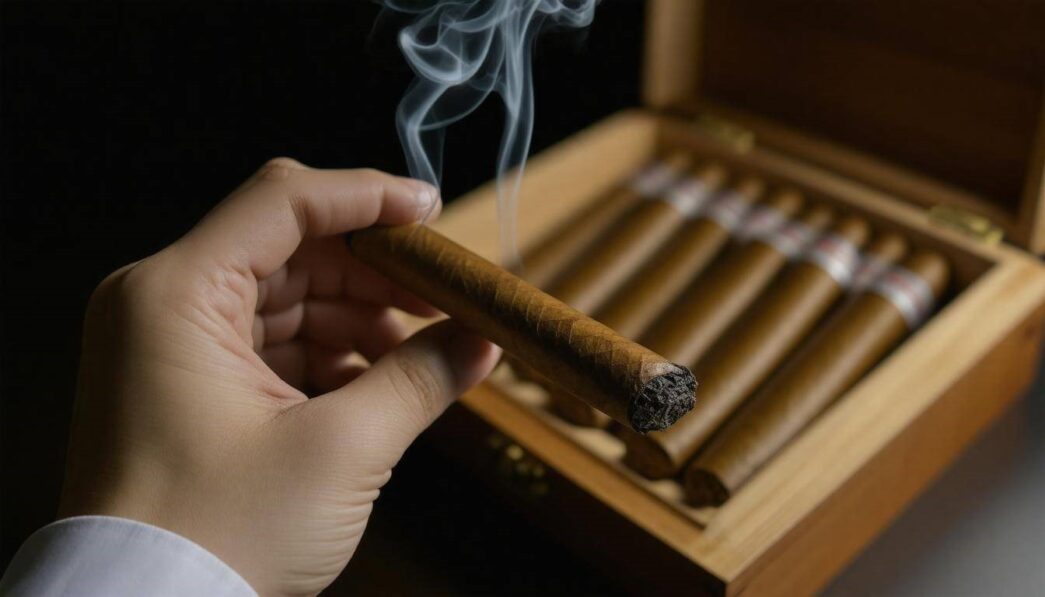
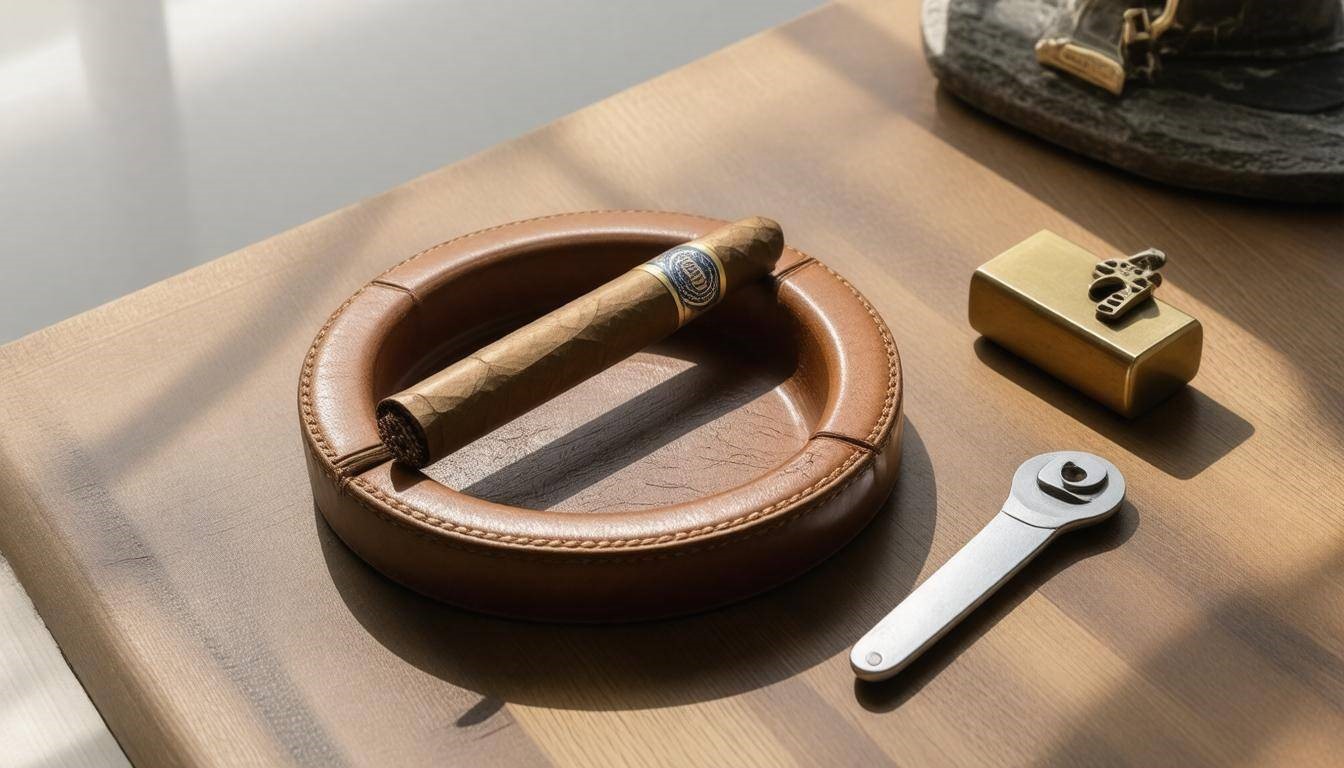
When it comes to holding a cigar, how you grasp it can dramatically influence both comfort and presentation. Among the most recognized methods is the Common Method, which involves wrapping your forefinger around the cigar while using your thumb for added support. This grip caters particularly well to larger-ring cigars, as it provides a secure yet relaxed hold—something that many seasoned smokers rely on. It’s often seen as the hallmark of aficionados and reflects an appreciation for the craft of cigar making.
Another technique worth noting is known as The Pinch.
The Pinch method employs a subtler touch, where the cigar is gently pinched between the forefinger and thumb. This approach speaks to the smoker’s sensible personality, highlighting a balance between control and finesse.
The key here is to avoid excessive pressure, as this can damage the delicate wrapper leaf and negatively alter the smoking experience. While some might consider this hold too casual, it offers enhanced control over your cigar while maintaining a laid-back vibe.
In contrast to these techniques lies The Prime Minister method, drawing inspiration from Winston Churchill’s iconic style.
This unique grip is characterized by holding the cigar with your lips, presenting a quintessential display of confidence and flair. While there’s something undeniably charming about this hold, critics argue that it’s best used for show rather than function. Holding a cigar in this manner before puffing can reduce moisture build-up and keep your smoke experience untainted by saliva. Thus, it’s imperative to choose wisely when deciding how you want to present your smoking style.
Through these various approaches, it’s clear that comfort plays a crucial role in enjoying your cigar fully.
Remember, holding a cigar should feel natural above all else. For beginners, experimenting with different grips allows you to discover what feels best—whether that’s an elegant pinch or a more traditional hold. Pay attention to how each posture impacts your overall enjoyment and ensure that your grip doesn’t fatigue your hand during extended sessions.
Zino Davidoff wisely suggested that “a cigar is smoked not only with the mouth but with the hand, the eyes, and with the mind.” Therefore, finding your unique way of holding a cigar contributes greatly to enhancing those sensory experiences for you as a smoker.
As you explore these diverse gripping techniques, understanding finger positioning will further refine your smoking experience.
Proper Finger Placement
Finger placement impacts comfort and control during the smoking session. The conventional method of gripping your cigar involves using your forefinger and middle finger to rest on the cigar’s band, while your thumb supports it from below. This grip not only feels secure but also allows for minimal damage to the cigar, which can significantly affect its flavor and consistency over time. When I first learned this technique, it felt like unlocking a hidden level of appreciation for the craft involved in making cigars.
If you’re looking for a more stable alternative, the Triple Support grip is worth considering.
The Triple Support
The Triple Support method positions your forefinger and middle finger on the band, with your thumb underneath. However, what sets it apart is that you also allow your ring finger to lightly touch the side of the cigar for added stability. This creates a tripod-like effect that enhances control while maintaining a respectful hold on your cigar. You might find yourself more relaxed, as this position can alleviate tension in your hand and arm, particularly during longer smoking sessions.
Personally, I’ve found that using this grip allows me to focus better on each draw without worrying about the cigar slipping or my fingers feeling cramped. It’s often said that a relaxed smoker is a happy smoker—this could not be truer than in this case.
Another popular method is known as The Respect, which takes finger placement up a notch.
The Respect
The Respect technique employs all five fingers to support the entire length of the cigar, showing utmost reverence for both the craftsmanship and the culture surrounding cigar smoking. While it might seem less casual compared to other grips, it conveys an important message: you’re serious about enjoying this moment. This type of hold is usually recommended for more formal settings or celebratory occasions where you want to showcase an understanding of proper cigar etiquette.
Using all your fingers fosters a sense of balance and control, ensuring that you’re engaging with the cigar respectfully while enhancing your overall experience. It’s fascinating how something as simple as finger placement can elevate not just your comfort but also your appreciation for the artistry behind every roll.
As you explore these various techniques, mastering them will set you up for success when you move on to embracing the nuances of lighting and inhaling your cigar.
Lighting and Inhaling Etiquette
Proper lighting and inhaling techniques are pivotal to ensuring a pleasurable smoking experience, but etiquette is equally important in showcasing your appreciation for cigars. Many enthusiasts agree that how you manage this process impacts the flavor and reflects respect for the craft.
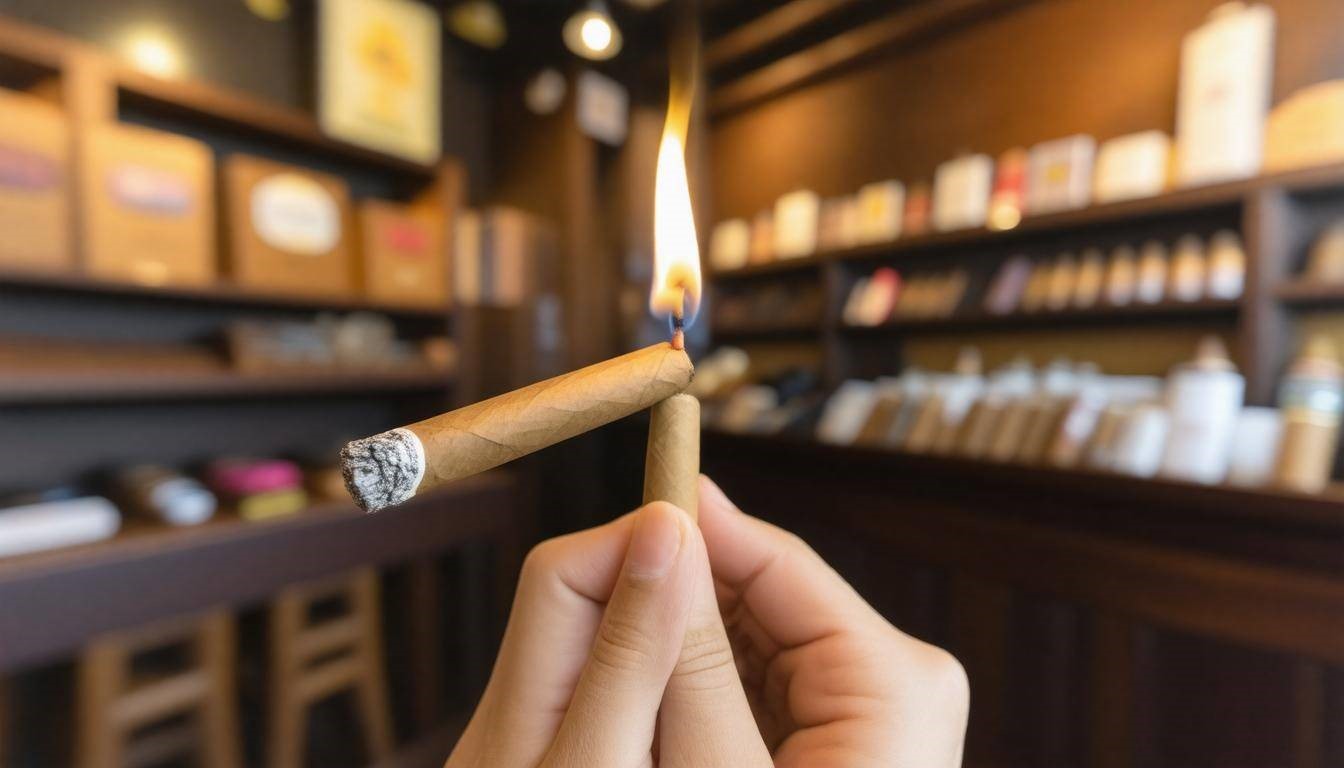
The first step involves choosing the right lighter—butane lighters are often recommended because they provide a clean, odorless flame that keeps your cigar free from unwanted chemical smells. As one seasoned aficionado put it, “The last thing you want is to ruin a fine hand-rolled masterpiece with a cheap lighter.”
The Slow Light
When lighting your cigar, patience is key. It’s best to hold the cigar just above the flame without letting it touch the fire. This method, known as “toasting,” allows for an even burn while warming the foot of the cigar. You’ll want to rotate it slowly as you do this, ensuring that all edges receive heat evenly.
Though it might feel like an eternity, spending a couple of minutes at this stage greatly enhances your smoking experience. The goal here is to ignite the tobacco evenly—similar to getting a perfect sear on a steak; it takes time and attention.
Once your cigar is lit properly, focusing on puffing etiquette becomes crucial for enjoyment.
Puffing Etiquette
As you begin to take puffs, slow and measured inhalations are crucial. Instead of inhaling smoke deeply like you would with a cigarette, draw it into your mouth lightly; savor the flavors before exhaling. This approach emphasizes enjoyment rather than consumption and allows you to appreciate complex flavor notes unique to each blend.
Moreover, maintaining a consistent puffing rhythm—about every 30 seconds or so—not only keeps your cigar burning evenly but also prevents overheating, which can lead to bitterness.
Ultimately, becoming adept at lighting and inhaling reflects broader respect for the artistry behind each cigar. As Zino Davidoff wisely noted, “A cigar is smoked not only with the mouth but with the hand, the eyes, and with the mind.” This rings especially true during these delicate processes; they require both technical skill and a mindful approach to elevate your overall experience.
As you refine these essential skills around lighting and inhalation, you’ll naturally be prepared to explore what comes next—the intricacies involved in drawing from your carefully tended cigar.
Mastering the Draw
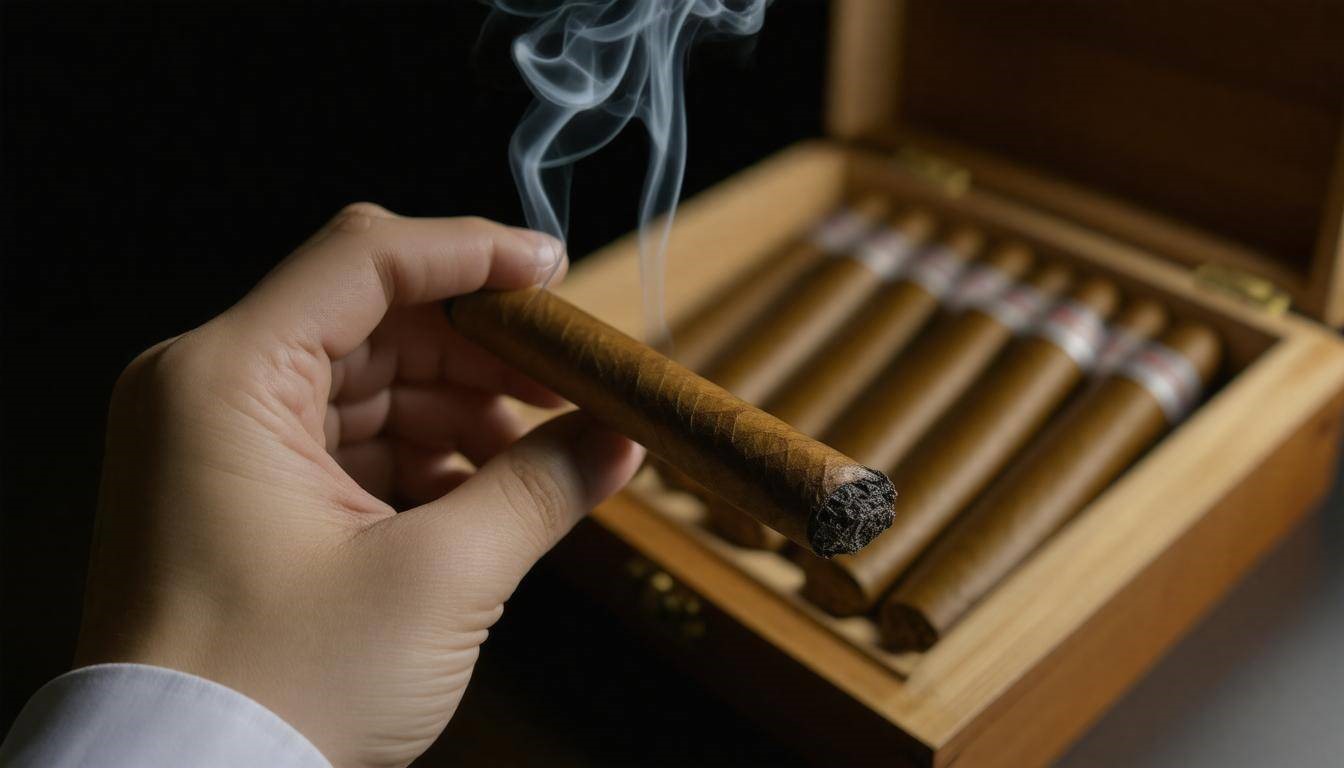
The way you draw on a cigar plays a significant role in both the intensity of the flavor and the overall smoking experience. It’s akin to savoring a fine wine – each sip reveals layers of taste that should be appreciated rather than rushed. Too hard of a draw can lead to overheating, compromising those delicate flavors that a well-crafted cigar offers. This is why finding the balance in your draw is crucial.
Finding the Balance
As you smoke, aim for a gentle draw every 30 to 60 seconds. Each inhale should feel relaxed, allowing the smoke to envelop your palate slowly and with grace. One personal tip I found particularly helpful is to visualize the smoke pooling in your mouth before releasing it; this technique helps regulate the pace at which you draw. Maintaining this rhythm not only enriches your experience but also extends the life of your cigar and enhances its flavors.
Maintaining this delicate balance can be tricky if things don’t go as planned; let’s discuss how to recognize and remedy a tight draw.
Avoiding a Tight Draw
A tight draw can be quite frustrating, making it difficult to enjoy your cigar as intended. If your cigar feels notably resistant when pulling in smoke, there are a couple of solutions. One option is to gently roll the cigar between your fingers. This motion helps to loosen the filler tobacco within and can create more space for air to flow through. However, caution is key here; you want to avoid cracking the wrapper as it could ruin the whole experience.
“If a cigar remains too tight after trying these techniques,” some seasoned smokers recommend using a cigar draw tool. This handy gadget allows you to poke through the cigar without damaging it, further relieving tightness while preserving its integrity. It’s worth investing in one, especially if you find yourself with cigars that often feel constricted.
The goal is to ensure that each puff is as enjoyable as possible: flavorful and smooth. Understanding how to adjust your approach based on your cigar’s behavior will elevate your enjoyment and build confidence in your smoking etiquette.
With a solid grasp on drawing techniques, let’s now explore other essential aspects of enjoying cigars, including what happens during the burning process and how it affects flavor.
Rolling and Burning
One of the crucial aspects of enjoying a cigar is knowing how to maintain an even burn, which significantly enhances the overall smoking experience.
When you first light up, you might not think too much about what happens to the cigar after that, but several factors can affect its combustion qualities. It’s essential to keep in mind that cigars are like fine wines: their flavors develop over time, and an uneven burn can disrupt this beautiful process.
Ensuring Even Burn
As you smoke, it is highly beneficial to rotate your cigar periodically. This keeps the heat distributed evenly around its body, minimizing the chances of what cigar aficionados refer to as “canoeing,” where one side burns faster than the other, giving your cigar an unsightly appearance. Canoeing not only detracts from the visual appeal but can also alter the flavor profile, leaving you with a less enjoyable smoke.
If you do find yourself facing an uneven burn, don’t panic. Gently blow on the non-burning side of the cigar; this technique applies a little extra oxygen to encourage consistent smoldering across both sides.
Touching Up
Now, there may be times when simply blowing on that stubborn side doesn’t do the trick. In such cases, a gentle touch-up with your lighter tends to work quite well. This method involves carefully applying heat to the problematic area without engulfing the entire cigar in flame. Just hold your lighter a few inches away and let the warmth nurture that specific spot back into compliance.
Remember, patience is key during this step. Overzealous lighting can lead to scorched leaves and an altered flavor. A delicate hand not only helps restore balance but also signals respect for the craftsmanship behind each exquisite cigar.
Once you have a grip on these techniques, you’ll appreciate how they contribute to a richer smoking experience while revealing more subtleties in flavor and aroma as you enjoy your cigar. Let’s now shift our focus to ways of elevating those very elements further.
Enhancing Aroma and Taste
There’s an undeniable connection between the artistry of cigar smoking and the rich tapestry of flavors it offers. To truly appreciate a cigar, understanding how aroma and taste can intertwine enhances the overall experience significantly. Each element—from choosing the right beverage pairing to mindful storage—plays a vital role in creating a moment that goes beyond a mere puff.
Pairing with Beverages
One of the most enjoyable ways to elevate the flavors in your cigar is through thoughtful beverage pairings. Imagine savoring a rich whiskey while indulging in a robust Maduro; the warmth from the spirit can draw out those deep, sweet notes within the tobacco. Similarly, a freshly brewed coffee can highlight the chocolate undertones of many cigars, forming a wonderful union of flavors that keep your palate engaged. Even a glass of fruity red wine can complement lighter cigars, enriching your smoking experience as certain flavor notes dance harmoniously between sips and puffs.
It’s worth experimenting with various combinations, as individual preferences can greatly influence which pairings resonate most. Take note of how different drinks can accentuate specific qualities in your cigar, allowing you to tailor your experiences over time.
Proper Storage
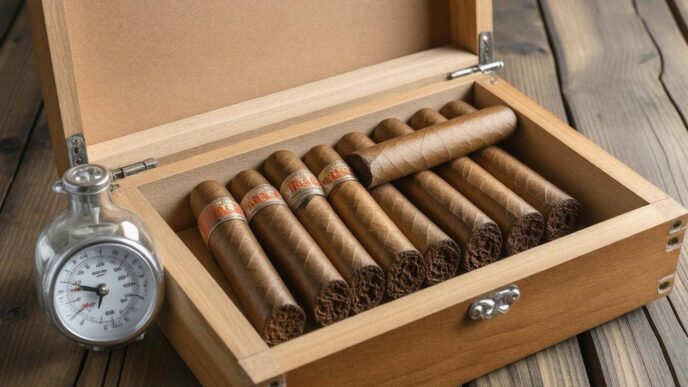
To enjoy cigars at their peak, proper storage cannot be overlooked. Keeping your cigars in a well-maintained humidor is essential for preserving their flavor and aroma. A humidor creates an environment that mimics their natural habitat with optimal humidity levels—ideally around 70%—and temperature settings close to 70°F. This careful balancing acts like a time capsule, ensuring that every puff delivers true essence without losing potency or becoming overly dry.
Having a reliable hygrometer inside will help you monitor moisture levels accurately so that you can adjust before it’s too late; after all, preservation leads to enhancement.
Controlled Breathing
Another often-underestimated aspect of cigar enjoyment is your breathing technique. The process known as retrohaling involves inhaling the smoke through your nose while keeping it held in your mouth for a moment before exhaling. This method releases subtle flavors that would otherwise remain unnoticed for those who merely inhale through their mouth. As you practice this technique, you’ll discover hidden layers of complexities tucked away in that delicate mix of tobaccos.
While it might feel unusual at first, controlling your breath while smoking requires patience and practice. Over time, blending these flavors with controlled inhalation can transform ordinary moments into delightful discoveries, revealing the craftsmanship behind each cigar.
By embracing these detailed practices and insights about aroma and taste, you transform cigar smoking into not just an activity but an art form—one that showcases both elegance and deep appreciation for this timeless tradition.
Incorporating these methods will not only deepen your appreciation for the experience but also enhance every moment spent enjoying a fine cigar.