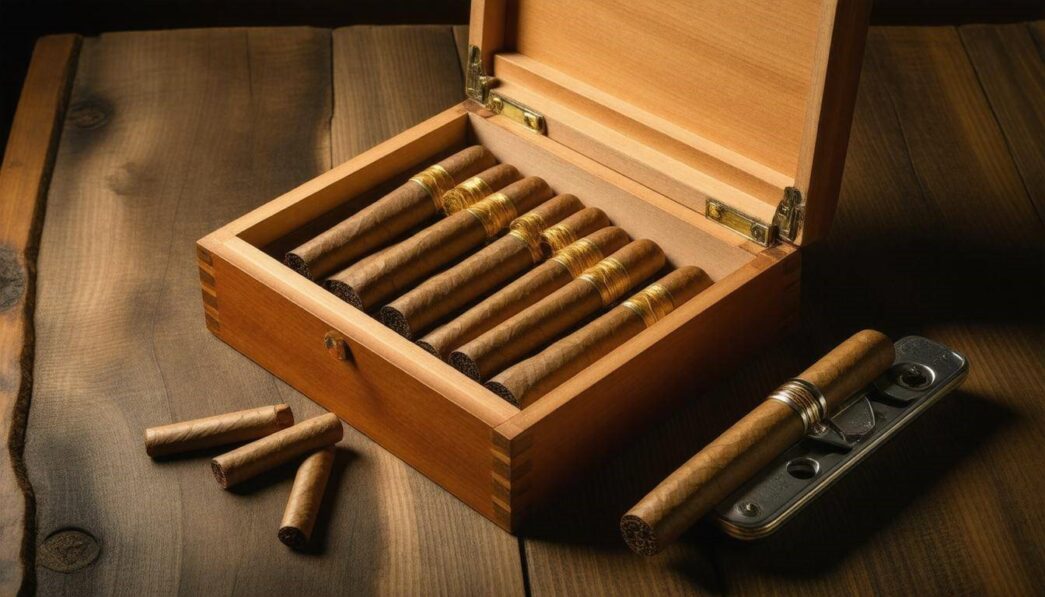
How Long Do Cigars Last? Tips for Proper Storage and Freshness
Cigars are more than just rolled tobacco; they’re a blend of tradition, craftsmanship, and flavor. For many, enjoying a fine cigar is a way to unwind and savor the moment. Yet, one overlooked aspect can turn this relaxing experience into disappointment: freshness. Have you ever opened your humidor only to find that some of your prized cigars have lost their vitality? It’s a bummer when the anticipation of lighting one up fizzles due to drying out or improper storage. Understanding how to properly care for and store your cigars is essential in ensuring each smoke is as enjoyable as the last. In this article, we’ll explore how long cigars last and share helpful tips for preserving their quality and freshness.
Cigars can last indefinitely if stored properly in a well-maintained humidor that maintains optimal humidity and temperature levels, which are ideally around 70% humidity and 70°F. However, once opened, their lifespan can range from a few days to several months, depending on storage conditions, so it’s crucial to monitor them regularly to preserve their freshness and flavor.
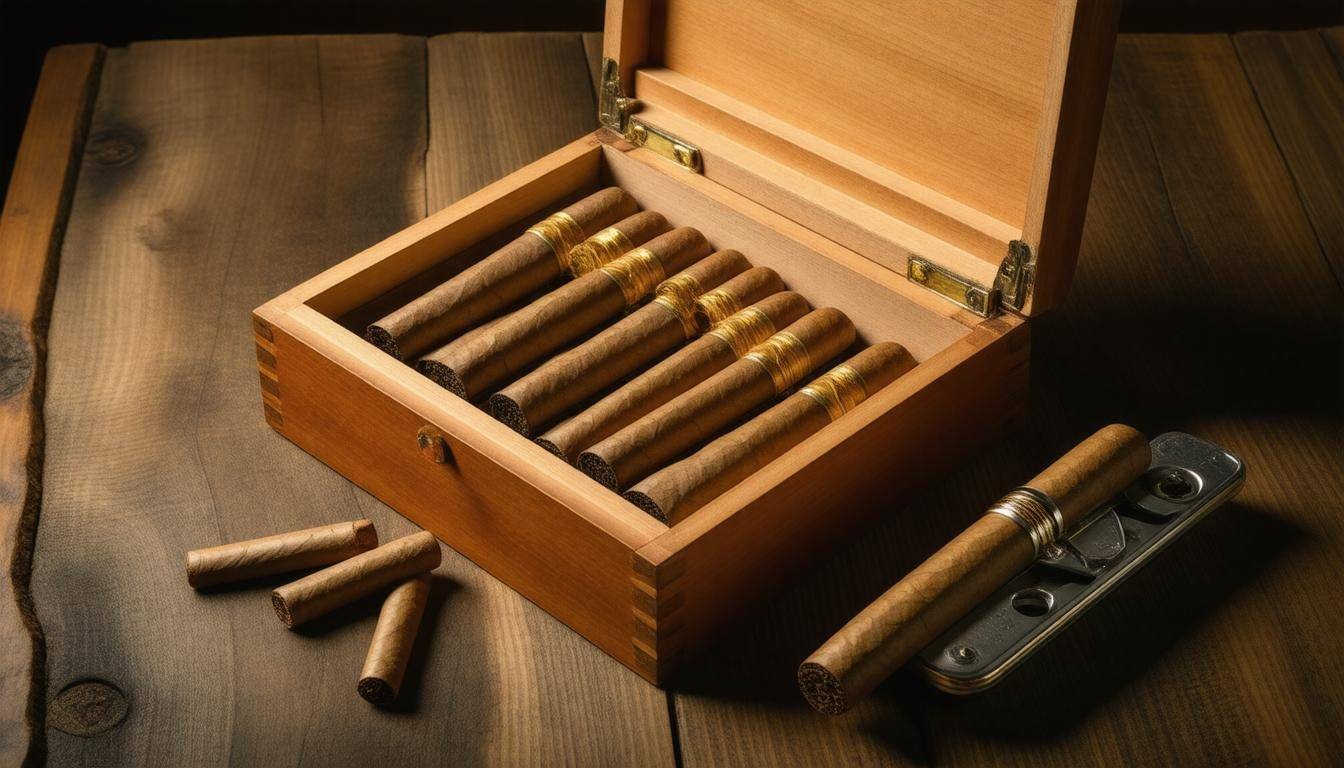
Factors Affecting Cigar Lifespan
Humidity Levels
Cigars thrive in a specific humidity range—typically between 65% and 72%. When you think about cigars, envision them as living entities that absorb moisture from the air. If they’re left in an environment that’s too dry, they’ll quickly lose their vitality. This desiccation leads not only to a cracked wrapper but also to a flavor profile that turns harsh and uninviting.
Too much humidity, on the other hand, can open the door to mold growth. Imagine meticulously rolling a perfect cigar only to have it turn into a soggy sponge that burns unevenly—frustrating, right?
A cigar stored at 50% humidity can lose its essential oils and aromas within weeks, while one at 80% humidity could develop mold in mere days. It’s this fine line we walk in humidity control that can make or break our smoking experience.
Now, keeping an eye on temperature is equally crucial.
Temperature Control
The ideal storage temperature for cigars is around 70°F (21°C). Much like a symphony, where each instrument contributes to the overall harmony, temperature plays a critical role in maintaining the balance of flavors in your cigars. When exposed to higher temperatures, the aging process accelerates. This may sound tempting, but what actually happens is the delicate dance of flavors may break down prematurely, leaving you with muted or out-of-tune notes. Conversely, lower temperatures can make cigars brittle and almost impossible to light.
Think of cigars like fine wine; just as wine needs controlled conditions to develop its complexity over time, so too do your cigars require stability in temperature. If you suddenly find yourself hitting extremes—like putting your precious stash next to a heat vent during winter or under direct sunlight during summer—you’ll likely be disappointed down the line.
Another key consideration revolves around how you store your cigars.
Storage Methods
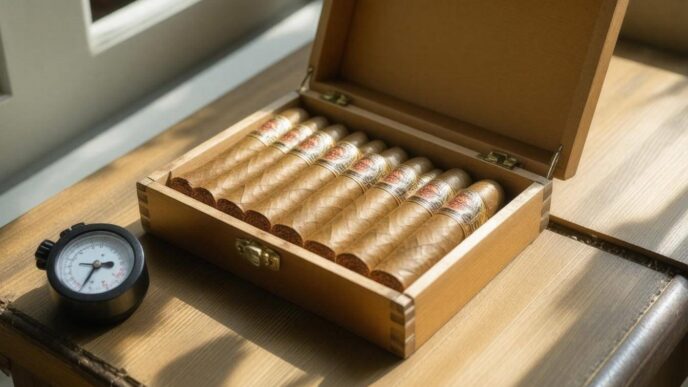
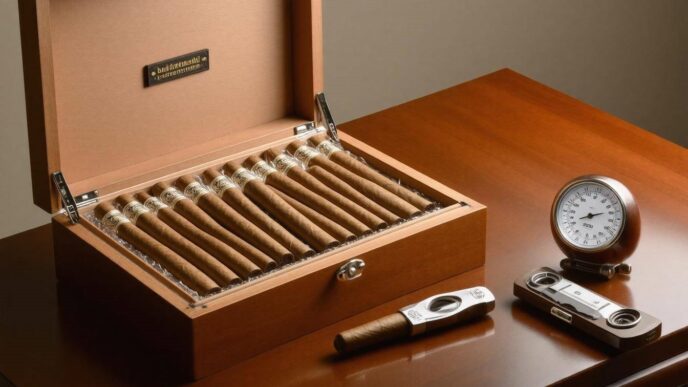
Utilizing a proper storage container, such as a humidor, is paramount for prolonging the life of your cigars. These specialized containers are designed to maintain optimal humidity and temperature levels, ensuring that your cigars are protected from harmful fluctuations. Without adequate storage methods in place, your valuable cigars are at the mercy of their environment, dramatically shortening their lifespan.
Keeping cigars locked away in a mason jar might seem like a good short-term strategy, but it lacks humidity control necessary for the long run. Remember: Regular checking is important if you’re improvising with alternatives like sealed Tupperware or bags with humidification packs.
By successfully managing these essential factors regarding environment and storage techniques, you set the stage for exploring ideal conditions that further enhance freshness and quality.
Optimal Storage Conditions
To truly appreciate your cigars, you must provide them with the optimal storage conditions they deserve. A stable environment is crucial for their preservation and aging. Aim for a comfortable 70°F temperature to create an ideal setting. This warmth ensures that the oils within the tobacco remain active, contributing to a more flavorful smoke. However, it’s important to avoid dramatic shifts in temperature; fluctuations can stress the tobacco leaf and diminish its quality.
Regular monitoring is essential because even small changes in temperature can have a large impact on flavor and aroma.
Humidity Maintenance
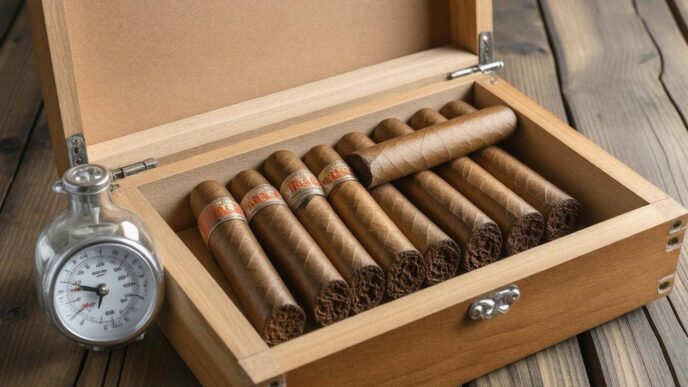
Alongside temperature, humidity plays a vital role in cigar quality. Targeting around 70% humidity creates an environment where cigars remain supple without becoming soggy. More important than reaching this level is keeping it consistent, fluctuating no more than ±5%. Too little humidity leads to dry cigars that crack easily and taste harsh. Conversely, excess moisture invites mold and diminishes your smoking experience. This is why tools like a hygrometer are indispensable—they offer precise measurements so you can adjust accordingly.
And while keeping an eye on humidity and temperature is essential, airflow also impacts your cigars’ health significantly.
Importance of Airflow
Excellent airflow is another key factor that cannot be overlooked. Providing proper ventilation helps prevent stagnant air that can lead to mold development. When storing your cigars, ensure that the container allows for some air circulation—this small action can significantly enhance their longevity.
Other Common Practices:
- Ensure that when you close your humidor, there are still small gaps to allow air movement.
- Routinely open your humidor for a moment to refresh the air inside.
- Avoid overcrowding when placing cigars in a storage container; embrace space for better airflow.
Another consideration involves avoiding potential harm from outside elements, such as light exposure.
Protection from Light
Direct sunlight can be damaging to cigars as UV rays degrade the delicate tobacco leaves, stripping them of essential oils and flavor nuances. Therefore, store your cigars in a dark place or in opaque containers if possible. This precaution is especially necessary if you’re using something like a mason jar—while it provides short-term storage capabilities, it may not fully safeguard against harmful light exposure for extended periods.
Now that we’ve covered these critical components for optimal cigar storage, let’s talk about maintaining stability in these environments.
Maintaining Stability
Maintaining stability goes hand-in-hand with these factors. Consistency is truly key; fluctuating conditions can stress the tobacco, which compromises both flavor and structural integrity over time. Using tools like hygrometers and thermometers will help you monitor your setup accurately. While they require an initial investment, having reliable data at your fingertips elevates your ability to care for your collection effectively.
Understanding these essential aspects sets the stage for exploring how specific storage options stack up against one another.
Humidor vs. Airtight Container
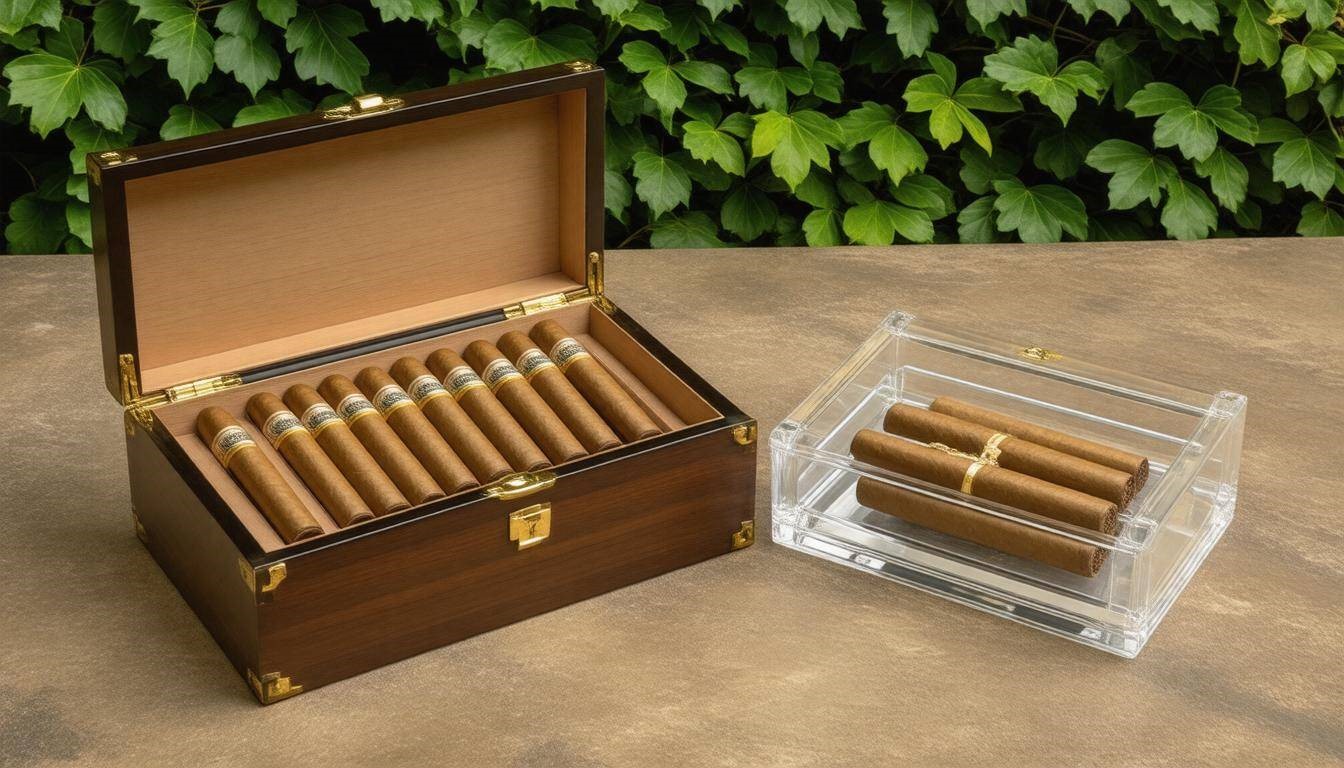
When it comes to storing cigars, the choice between a humidor and an airtight container is more significant than one might think. Humidors are specifically designed for cigar storage, maintaining optimal humidity levels. Most traditional humidors are fitted with hygrometers that provide precise readings of moisture levels, allowing you to adjust conditions as needed.
Typically constructed from Spanish cedar, these beautifully crafted boxes not only offer excellent humidity control but also impart subtle flavors to cigars while repelling pesky tobacco beetles. Standard humidors can comfortably house between 50 to 100 cigars, making them suitable for beginners and seasoned collectors alike.
Imagine an enthusiast’s delight when they exclaim, “My humidor has kept cigars fresh for over a year without a hint of dryness!” This illustrates the humidor’s effectiveness as a long-term storage solution.
On the other hand, there are alternatives worth considering, especially for those on a budget or who lack space.
Airtight containers, such as Tupperware or mason jars paired with a humidity pack, can offer short-term storage options. While they effectively seal out external elements, they miss the mark on providing the consistent humidity control that cigars thrive on. These containers can indeed maintain acceptable conditions for a few months—usually up to six—but their effectiveness diminishes over time as they struggle with temperature fluctuations.
Think of it this way: if a humidor nurtures your cigars like a greenhouse protects delicate plants, an airtight container merely provides a temporary shield against the elements.
Key Differences
| Feature | Humidor | Airtight Container |
| Humidity Control | Highly adjustable with hygrometers | Limited; relies on passive humidity packs |
| Material | Often made from Spanish cedar | Typically plastic or glass |
| Flavor Enhancement | Yes; enhances flavor profiles | No |
| Recommended Storage Duration | Long-term (months to years) | Short-term (up to 6 months) |
| Ideal Storage Temp | Consistent, around 70°F | Varies; may trap heat |
During storage, airflow plays a pivotal role in preventing mold growth and ensuring even moisture distribution within the humidor environment. This balance allows each cigar to age gracefully while retaining its essential flavor characteristics. In contrast, airtight containers can inadvertently trap heat, leading to uneven moisture levels and potentially creating pockets of mold if humidity gets too high.
Therefore, while airtight containers may serve well for the novice looking for short-term convenience, investing in a good quality humidor pays dividends in flavor retention and overall quality of your precious cigars.
Having examined how storage solutions impact freshness and quality, let’s now turn our attention to how certain attributes evolve over time and affect the unique characteristics of your favorite brands.
Aging and Flavor Evolution
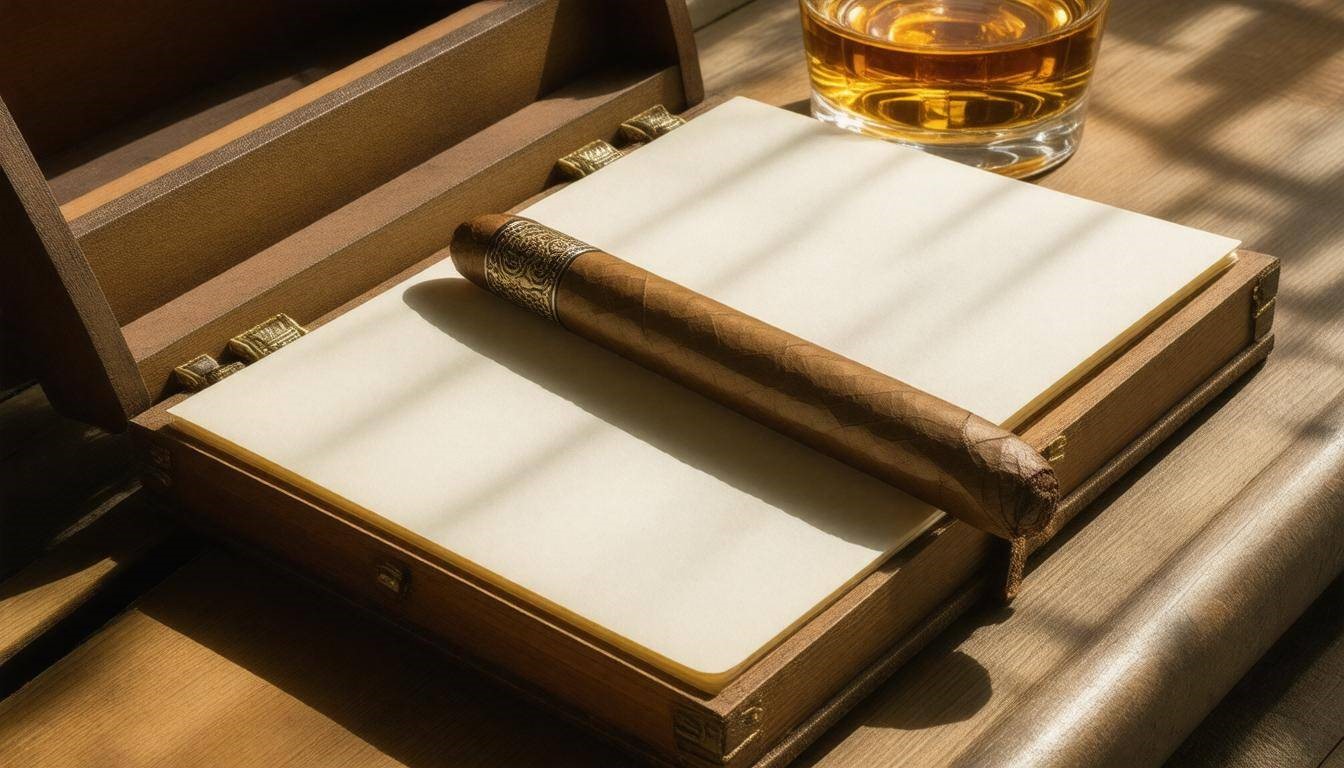
Aging can transform a cigar’s flavor, much like fine wines becoming more refined over time. When you first light a freshly rolled cigar, you may encounter bold or overpowering notes that can sometimes overwhelm the palate. However, if you give that same cigar about five years under optimal conditions, it could blossom into a beautifully balanced experience where flavors meld together harmoniously. This evolution isn’t purely about time; it’s also deeply tied to the right environment—temperature and humidity play crucial roles in this transformation.
As cigars age, their underlying components become more integrated. For instance, stronger cigars often mellow out, shedding some of their intensity and allowing subtler flavor notes to emerge. Conversely, milder cigars gain complexity and depth as they mature. This phenomenon can be likened to letting a hearty stew simmer; the longer it cooks, the more the individual ingredients contribute to a rich, cohesive flavor. Achieving this perfect aging balance requires patience and consistent conditions.
One important aspect to recognize is “plume”—a fine crystalline substance that can form on well-aged cigars during the aging process. Unlike mold which has a bluish tint and arises from improper humidification, plume indicates that your cigar is undergoing proper aging and should be celebrated rather than feared.
To maximize this aging effect and truly appreciate the nuances of your cigars, ensuring they are stored properly is paramount. Ideal humidity levels range between 65% to 75%, while temperatures should hover around 70°F (21°C). Proper storage allows the natural oils within the tobacco to mature and evolve without interference from fluctuations in environmental conditions.
The Impact of Composition on Aging
Each premium cigar is composed of three key components: binder, filler, and wrapper tobacco. Each of these elements influences how a cigar ages. For example, cigars made with higher quality tobaccos tend to hold up better over time compared to those made with lower-grade leaves. Additionally, the specific blend plays a vital role; certain tobaccos naturally have a more robust flavor profile that might improve or diminish during the aging process.
Understanding what’s inside your cigar can help you decide when it might be best to smoke it. As an enthusiast, learning which blends age well gives you insight into how different cigars will reward your patience with richer flavors down the line.
Being aware of what aging entails not only enriches your knowledge but also enhances your overall smoking experience as you explore how different factors impact flavor development in your favorite cigars.
Identifying Freshness Loss
Knowing when a cigar has lost its freshness is critical. After all, every aficionado knows that nothing tarnishes the pleasure of a fine cigar like realizing it’s lost its charm. The signs are often subtle but crucial to recognize. For instance, if you notice cracked wrappers on your cigars, that’s a tell-tale sign of dryness; it indicates the tobacco has been deprived of proper humidity. Think of it like a wilting flower—it just doesn’t have that vibrant vitality anymore.
Signs of Deterioration
Key indicators include several observable conditions. A spongy texture may suggest over-humidification; this can lead to an unpleasant smoking experience and hinder burning quality. You want your cigar to feel firm yet flexible, not squishy like a sponge.
Additionally, harsh or muted flavors upon smoking will indicate that the whole flavor profile has deteriorated. An experienced smoker can readily detect these off-putting tastes and an uneven burn pattern which often reveals that the cigar is fighting against itself, struggling to stay lit as it awkwardly burns unevenly.
Testing Techniques
When testing your cigar’s freshness, consider employing a “pinch test.” Gently squeezing the cigar between your fingers allows you to assess its firmness—if it collapses easily, it’s likely too dry. A well-preserved cigar will give a little but won’t lose its shape entirely. Additionally, the smell of the cigar provides valuable clues; distinct musty odors might suggest moisture problems or potential mold issues due to humidity imbalances.
Properly identifying freshness loss allows smokers to take necessary steps for preservation and restoration before it’s too late. Keeping an eye on these details not only enhances your enjoyment but ensures you’re investing in every mild note and full-bodied flavor today rather than compromising your experience down the line.
With this understanding of how to identify freshness loss, we shift our focus to exploring effective methods to maintain your cigars’ quality and ensure they stay fresh for every occasion.
Practical Tips for Cigar Preservation
First and foremost, regular monitoring of your humidor’s hygrometer is crucial. Ideally, you should check it at least once a week. Think of your humidor as a living organism; it thrives under the right conditions, and consistent checks help prevent unexpected fluctuations in humidity. Aim to keep the relative humidity between 65% and 72%, with a temperature around 70°F. A slight deviation can make a big difference in preserving the quality of your cigars.
It’s also important to practice proper rotation of your cigars within the humidor. Just as a fine wine needs to breathe, your cigars benefit from a bit of movement. Rotating them helps ensure an even distribution of humidity, allowing each cigar to absorb moisture uniformly. This simple act can prevent certain areas from becoming overly humid or dry, which could cause degradation over time.
Additionally, consider using humidity packs, such as Boveda packs, which provide precise control over humidity levels. These little wonders take the guesswork out of maintaining your humidor’s environment. They are pre-measured and will gradually release or absorb moisture as needed, ensuring that your cigars enjoy optimal conditions without constant manual adjustments.
Before packing your favorite stogies into your humidor, it’s vital to season it properly. Seasoning stabilizes the wood’s moisture content and creates an ideal environment for storing cigars. This process generally takes anywhere from 24 to 72 hours using a mixture of distilled water and propylene glycol. It might seem like an extra step; however, investing this time upfront pays dividends later when you open that first box to find your cigars in pristine condition.
When it comes to humidification, always opt for distilled water rather than tap water. This choice is critical because tap water contains minerals and chemicals that can contaminate the humidification system and even lead to mold growth in severe cases. Always remember to clean any devices used for humidification regularly to maintain their effectiveness.
By following these guidelines diligently, you’ll significantly enhance the longevity and quality of your prized cigars. Whether you’re just starting out or are already a seasoned aficionado, maintaining these practices will ensure that every draw from your cigar is rich and flavorful. The love for fine cigars is not just about smoking but cherishing each moment spent with them – a commitment worth making!
Understanding how to store and preserve cigars properly ensures that you enjoy them at their best, enhancing the overall experience with every puff. Embrace these practices to fully savor each moment with your beloved cigars.